Staying Clear Of Perimenopause Bladder Troubles
Menopause And Urinary System Incontinence
While you may see the very first symptoms during perimenopause, postmenopause is the moment when urinary incontinence typically ends up being even more noticeable, a lot more consistent, and more probable to require active management. Naturally, as you age, various other points can trigger urinary incontinence. Allow's talk about what else could be happening and after that locate some effective ways to handle it. The bladder is a balloon like muscle that expands as it fills with pee. In time, the bladder loses tone and it comes to be tougher to clear the bladder totally.Adjustments in hormonal agent degrees can make your bladder more sensitive and prone to inflammation, leading to signs like urgency and frequent peeing. Menopause usually happens in women in between the ages of 45 and 55, with the typical age around 51. It's specified as the natural cessation of menstrual cycle due to a decrease in the production of hormonal agents like estrogen and progesterone by the ovaries. An exhaustive search of 911 academic magazines generated 469 duplicate records, which were consequently excluded.

Hormonal Agent Treatment
As ladies get in and advance through menopause, their bodies undergo hormonal modifications, one of the most dramatic being a decrease in the production of estrogen (the woman sex hormonal agent). This drop in estrogen degrees can make it hard for females to maintain a healthy urinary tract. Specific medicines might help reduce signs of desire urinary incontinence and over active bladder by unwinding the bladder muscle mass or minimizing bladder spasms.
Combined Urinary Incontinence
- A doctor can deal with you to understand the type and seriousness of your bladder problem.
- There are great deals of interventions, both conservative and medical, that can be utilized to help direct you with plain sailing throughout this time in your life, despite bladder leaks.
- That lack of estrogen compromises and thins the bladder wall surface, which makes urinary system functions much less predictable.
- Specific conditions such as multiple sclerosis, diabetes mellitus, or Parkinson's condition can trigger nerve damage which can make it more difficult to manage the bladder.
- One research of a number of hundred postmenopausal individuals located that virtually 40% skilled urinary incontinence.
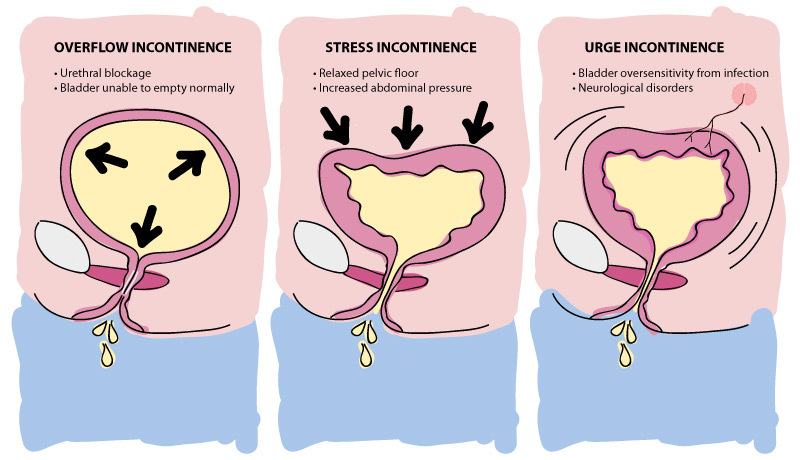
Estrogen plays an important function in maintaining the wellness of your urinary system tract. Reduced estrogen levels throughout menopause can lead to thinning of the vaginal walls and weakening of the pelvic flooring muscular tissues, both of which sustain your bladder and urethra. The pelvic floor muscular tissues help sustain the bladder, uterus, and digestive tract while also assisting control pee flow. Hormonal modifications can deteriorate these muscular tissues and degeneration connective tissues that sustain them in time. When the pelvic floor becomes weak, the bladder and urethra may not get enough support, raising the probability of stress urinary system incontinence. Pelvic flooring physical therapy is a specialized therapy that retrains the pelvic floor muscle mass (that assistance manage your bladder) to function correctly.
Urinary system urinary incontinence may likewise take place if there is a problem with the nerves that regulate the bladder muscles and urethra. Urinary incontinence can indicate you leakage a small amount of urine or release a great deal of pee simultaneously. Most people think about estrogen as the sex hormone that plays a significant duty in durations and pregnancy.
According to the North American Menopause Society, one of the most usual sorts of bladder troubles during menopause are stress and anxiety incontinence and advise urinary incontinence. Physical modifications prompted by menopause can result in bladder troubles. Your pelvic floor muscular tissues suspend your bladder and anus like a hammock. These muscular tissues compromise as we https://kameronduqv581.wordcanopy.com/posts/when-giggling-makes-you-leakage-comprehending-stress-urinary-incontinence age and cause the bladder to prolapse, or come down right into the vaginal area. Pessaries are helpful to decrease signs and symptoms of stress and anxiety incontinence by holding the bladder in place and lowering pee leakage. Menopause is an all-natural stage in your life that indicates the Bladder leakage end of your fertility. Urinary incontinence can occur when the bladder muscular tissues unexpectedly tighten and the sphincter muscles are not strong sufficient to squeeze the urethra closed. This creates an unexpected, strong urge to urinate that you may not be able to control. Stress caused by giggling, sneezing, or exercising can create you to leakage pee.
Ends · JEFFREYNHTA127